


As an air conditioner owner, it helps to understand how your system functions.
No matter what type of unit you have at home, there may come a time when you ask yourself, “Why isn’t my AC working as it should?”
Before problems arise, it pays to know a few basics about your AC unit. Having a general understanding of its most important components will help you take better care of your system. This ensures it runs as efficiently and effectively as possible.
Most importantly, it helps prevent the way you’re operating your unit from causing damage. If you’d like to speak with air conditioning specialists, contact our team on (07) 3394 0222.
What Are Your Air Conditioner’s Most Important Functions?
To better understand the critical parts of an air conditioning unit, it’s important to know its main functions.
While the primary purpose of an air conditioner is to cool the room (or house) it’s in, it also performs other important tasks:
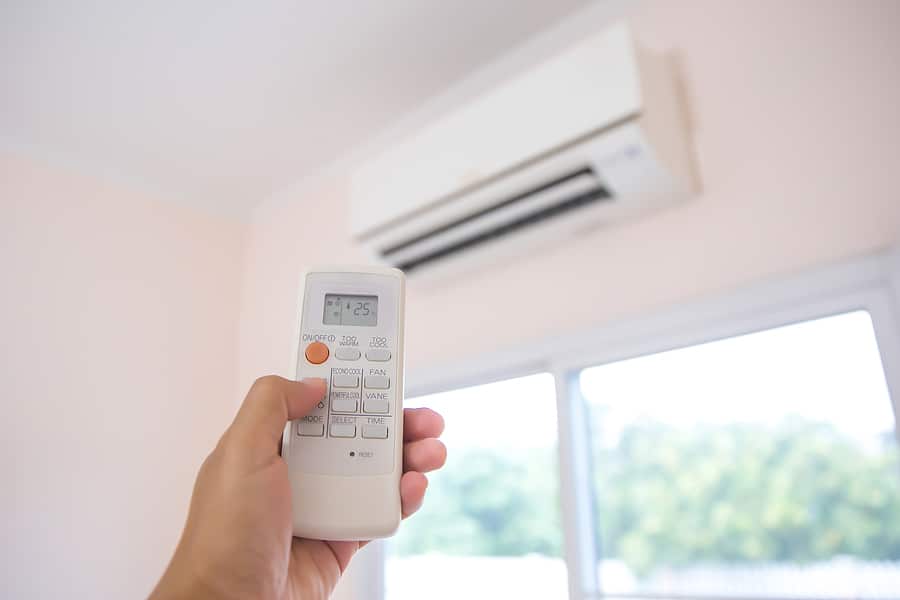
- Regulating room temperature via the AC thermostat
- Removing airborne particulates through the onboard filter
- Dehumidifying the room—by lowering the temperature, a portion of the moisture in the air condenses and drains out of the system, which is especially important on humid days
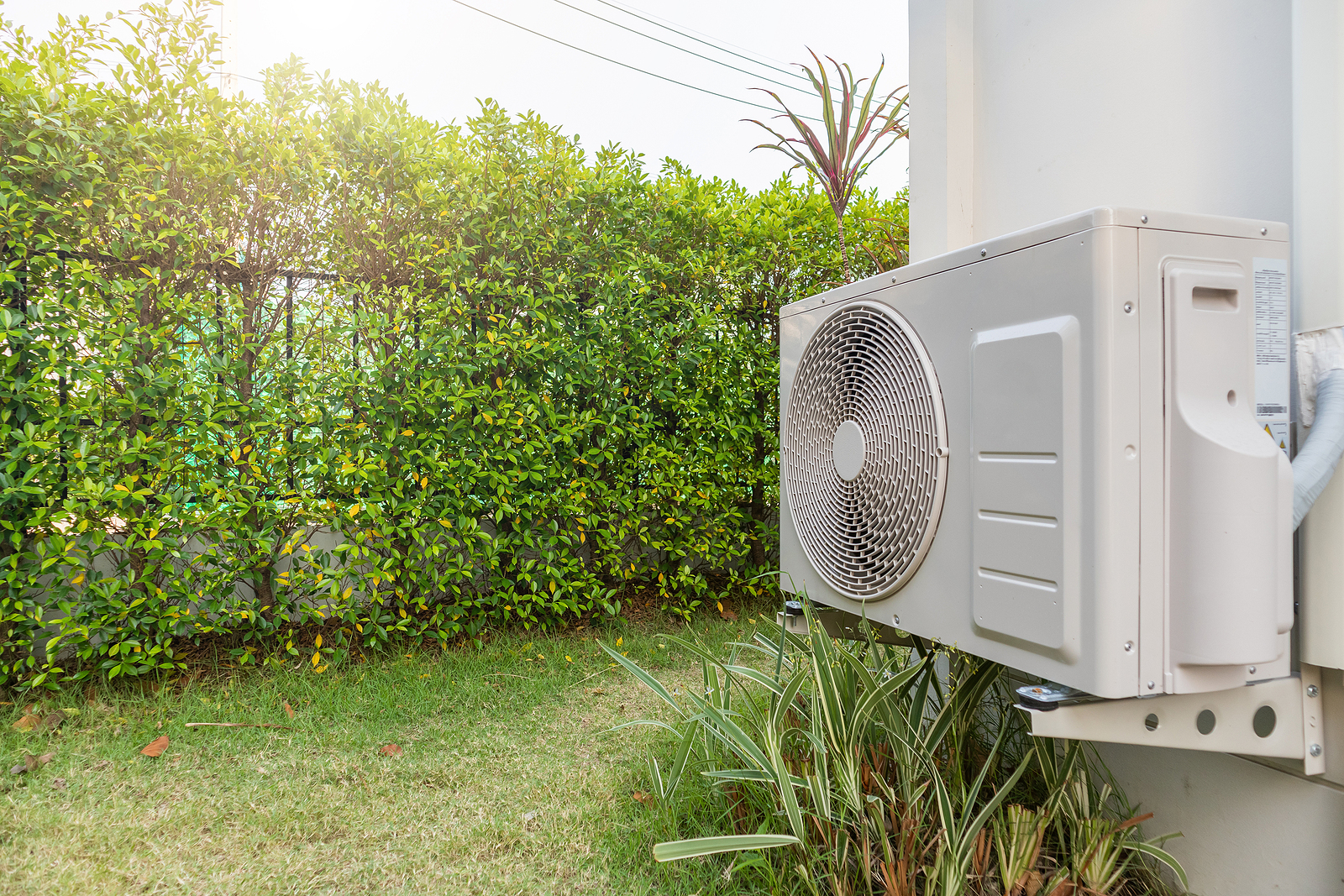
Split system air conditioners have some additional functions, typically operating with two parts: the indoor unit and the outdoor unit.
What Are the Main Components of Your Air Conditioner?
To simplify, there are four main components you should know about: the condenser, compressor, evaporator, and expansion valve.
Other important components include the fan, blower, air filter, and thermostat. Let’s take a closer look at each:
1. Evaporator
Located in the “cold” side of the air conditioner (the indoor unit) near the air outlet, the evaporator turns liquid refrigerant into gas.
Paired with a fan that blows room air over the chilled coils, the gas absorbs heat and carries it to the condenser, resulting in cooled, dehumidified air.
It’s important to check the evaporator annually for mould and mildew caused by condensation. Left unchecked, mould can affect your HVAC system and your family’s health.
2. Condenser
The condenser, located on the “hot” side (the outdoor unit), expels heat collected from the indoor air.
Once the refrigerant condenses back into liquid form, it cycles back to the evaporator to start the cooling process again.
3. Compressor
The compressor works with the condenser to pressurise refrigerant gas and convert it back into liquid.
This large electric pump is essential to maintaining the flow of refrigerant throughout the system.
4. Expansion Valve
Usually located between the evaporator and condenser, the expansion valve regulates how much liquid refrigerant enters the evaporator.
It reduces the pressure of the liquid refrigerant, allowing it to convert into gas and continue the cooling cycle efficiently.
For questions about your air conditioning components, contact our team on (07) 3394 0222.
Other Important Components
- Blower: Circulates cooled air from the supply registers and pulls room-temperature air back for re-cooling.
- Fan: Draws heat away from the condenser to prevent overheating.
- Air Filter: Prevents dust from collecting inside the AC unit, ensuring clean, pure air in your home.
- Thermostat: Controls your AC system, often with programmable settings for different zones. Modern thermostats can be managed via smartphone, tablet, or computer.
Familiarising yourself with your air conditioner’s key parts and functions helps ensure your system runs smoothly. Understanding these components also allows you to identify problems early and know when to call an experienced repair team.
Never attempt DIY repairs if you lack the proper expertise, as this can cause serious damage or injury.
If you are in the Brisbane area and suspect your air conditioner isn’t functioning correctly, call Tri-Tech’s friendly team on (07) 3394 0222 or describe your issues online, we’re here to help!